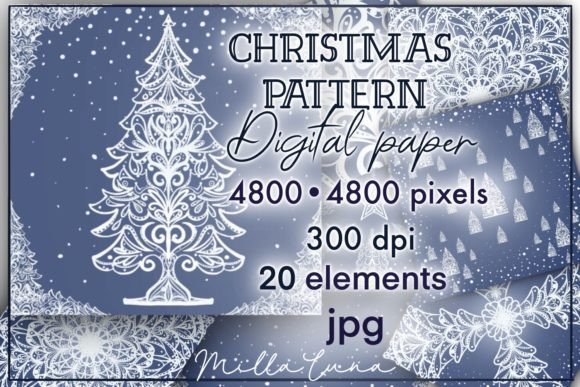
Christmas Pattern, Digital Paper, Design Review
As a designer who has spent years turning digital files into tangible stitched treasures, I approach every new asset with a mix of excitement and skepticism. You have likely stumbled upon Christmas Pattern, Digital Paper, Design while browsing the Illustrations category, wondering if it is just another generic clipart or if it holds real potential for your next commercial project. After putting this design through its paces in my studio, testing it on various fabrics and imagining how it would translate to a finished product, I am ready to share a practical breakdown.
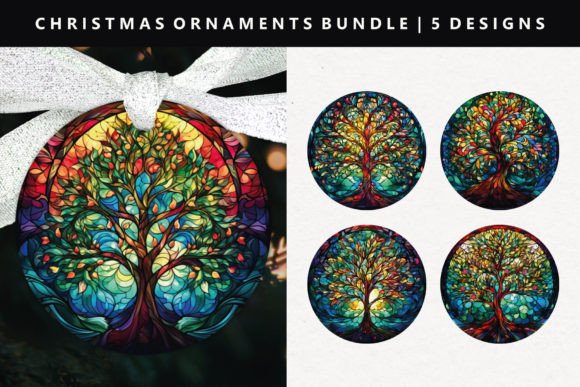
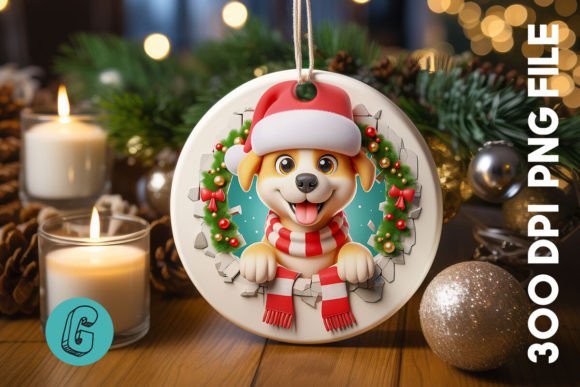
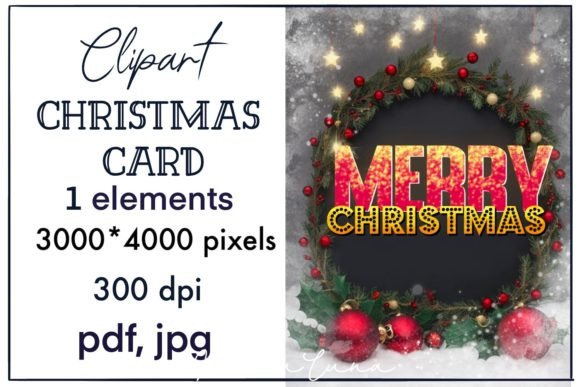
The first impression of Christmas Pattern, Digital Paper, Design is one of festive warmth without being overwhelming. In the world of holiday embroidery, there is often a fine line between "charmingly rustic" and "visually cluttered." This design leans comfortably toward the charming side. The layout suggests a pattern that is versatile enough to serve as a focal point on a large garment or as a repeating motif on smaller accessories. When you look at the visual personality, it feels tailored for makers who want their work to feel professional yet handcrafted. It does not scream for attention; instead, it invites the viewer to appreciate the texture and detail once they are close enough to see the stitches.
From Screen to Stitch: A Real-World Scenario
To truly understand the value of Christmas Pattern, Digital Paper, Design, we need to move beyond the screen and imagine it in a production environment. Let's say you are an Etsy seller preparing inventory for the holiday rush. You have a batch of high-quality canvas tote bags destined for gift baskets. These bags need to stand out on a crowded craft fair table but also look cohesive when bundled together.
I visualized applying this design to the center of the tote bag. The shape and flow of the pattern suggest it would anchor the bag beautifully. Unlike some designs that look stiff or blocky, this one seems to have a natural rhythm. If you were to stitch this onto a light-colored cotton canvas, the contrast would be sharp, making the details pop immediately. However, the true test comes when you consider the customer's reaction. A buyer purchasing a handmade item is looking for quality and thoughtfulness. A well-executed embroidery project using this file signals that you care about the finish, which directly translates to higher perceived value and better reviews.
Now, imagine taking that same design and adapting it for a baby onesie. The scale needs to change, but the charm remains. For baby embroidery, simplicity is key. If the design features delicate lines, it will read well even on small hoops. The mood created by Christmas Pattern, Digital Paper, Design fits perfectly here—it is gentle, nostalgic, and perfect for a personalized gift that parents will cherish. It transforms a simple piece of clothing into a keepsake, which is exactly what drives sales in the handmade market.
Performance on Different Fabrics and Garments
When evaluating any machine embroidery design, the fabric choice is critical. Christmas Pattern, Digital Paper, Design appears to perform best on stable, medium-weight fabrics. Think about sweatshirt embroidery on fleece or heavy cotton blends. The density of the fill stitches should hold up well against the nap of the fabric, creating a soft, textured look that enhances the cozy holiday vibe.
For tote bag design applications, the stability of the canvas is usually sufficient to handle the tension required for this type of illustration. However, if you are considering using this on a custom apparel item like a fitted t-shirt or a stretchy knit, caution is advised. Stretchy fabrics require careful stabilizer selection to prevent puckering, which can distort the intricate details of the pattern. Similarly, for embroidered patch creation, the design's outline clarity will determine how cleanly it can be cut out. If the outer edges are too jagged or the internal spacing is too tight, the backing might tear during the cutting process.
Kitchen towels and aprons are another excellent use case. The durability of the stitches in Christmas Pattern, Digital Paper, Design must withstand frequent washing. While the design looks great initially, the long-term integrity depends on the stitch density. If the file uses a high volume of satin stitch in small areas, it may become stiff and prone to cracking over time. Conversely, if it utilizes a mix of running stitch and fill stitch, it will maintain flexibility and comfort, which is crucial for items like aprons that rub against the body.
Where to Exercise Caution
No single design is a magic bullet for every scenario. There are specific situations where Christmas Pattern, Digital Paper, Design might struggle. Small hoop sizes are the first red flag. If you attempt to stitch this on a very small surface, such as a baseball cap front panel or a tiny baby hat, the details may get lost or the machine may struggle to navigate the curves accurately. Curved surfaces like caps require a design that can conform to the dome shape without distorting the perspective.
Textured fabrics, such as bouclé or heavily brushed fleece, can hide the definition of the stitching. On these materials, the thread colors might blend into the background, reducing the visual impact. Dark fabrics present another challenge; unless you plan to use a heavy underlay or a contrasting thread palette, the design might appear muddy. Furthermore, if you are working with thin fabrics like silk or lightweight linen, the density of the design could cause the material to pucker or tear, ruining the finished product.
Another area to watch is dense stitch areas. If the design has clusters of satin stitch packed tightly together, the resulting thickness might be uncomfortable on skin-contact items like pajamas or blankets. Always inspect the file for these hotspots before committing to a full production run.
Practical Designer Notes for Success
Before you upload Christmas Pattern, Digital Paper, Design to your embroidery machine, take a moment to prepare properly. First and foremost, test the design on scrap fabric that matches your final material. This step is non-negotiable for any serious craft business owner. It allows you to check the stitch density and ensure the hoop size accommodates the design without cutting off important elements.
Review the stabilizer requirements. Heavier designs often need cut-away stabilizers for permanence, especially on items that will be washed frequently, like holiday gifts or kitchen towels. Lighter projects might only require tear-away. Do not guess; verify the recommendation or experiment with scraps.
Check the color contrast in both color and black-and-white mockups. Sometimes a design looks vibrant on a colorful screen but loses definition when converted to grayscale. This is particularly important for printable mockups you might use in your Etsy listings to show customers how the item will look. Ensuring the design reads clearly in monochrome helps set accurate expectations.
Finally, confirm the licensing terms. Are you allowed to sell finished products made with this file? Can you resell the digital file itself? For commercial embroidery projects, clarity on ownership is essential to avoid legal issues down the road. If the license is unclear, contact the creator or stick to personal use until you are certain.
In conclusion, Christmas Pattern, Digital Paper, Design offers a solid foundation for a wide range of creative ventures. Whether you are a seasoned boutique owner or a hobbyist looking to create a unique personalized gift, this design provides the aesthetic appeal needed to elevate your work. By understanding its strengths and limitations, and by following prudent testing protocols, you can transform this digital asset into a professional, market-ready product that customers will love.