Rainbow Knitted Christmas Tree Clipart Review
When I first opened the file for Rainbow Knitted Christmas Tree Clipart, my immediate reaction was a mix of nostalgia and practical skepticism. As a designer who spends hours evaluating digital assets before they ever hit the embroidery machine, I know that a pretty image on a screen does not always translate to a beautiful stitched product. However, this piece from the Illustrations category caught my eye because it promises a specific texture—the cozy look of hand-knitting—that is notoriously difficult to replicate in thread. Before I decided whether to use this design for a client's custom holiday collection or a personal gift, I had to run it through a mental simulation of real-world stitching.
The First Stitch: Visual Personality and Mood
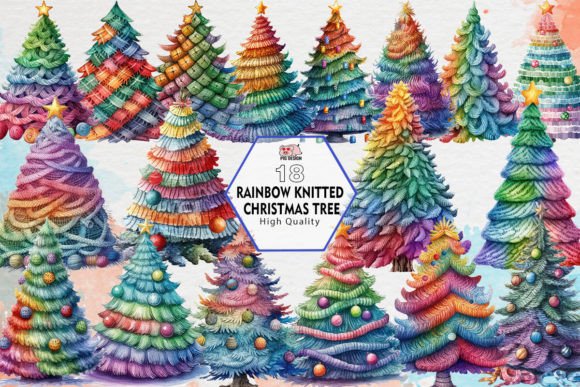
The defining characteristic of Rainbow Knitted Christmas Tree Clipart is its whimsical energy. Unlike traditional green pine trees with red ornaments, this design leans into a playful, modern aesthetic. The color palette suggests a burst of joy, making it perfect for projects that need to stand out without being overwhelming. For a small business owner looking to create unique holiday embroidery items, this mood is gold. It feels less like a generic stock image and more like a curated asset for a boutique brand.
In terms of layout, the design has a balanced composition. It doesn't sprawl too wide, which is crucial when considering placement on garments like sweatshirt embroidery or smaller items like baby embroidery. The "knitted" texture implies a reliance on fill stitches to mimic the yarn loops, which gives the final product a tactile, raised feel. This adds value to the finished item, transforming a simple printed tee into a premium handmade product. The visual personality is friendly and approachable, ideal for nursery decor, aprons, or tote bags where a cheerful vibe is desired.
Real-World Application: From Screen to Fabric
I recently considered using Rainbow Knitted Christmas Tree Clipart for a custom order of holiday tote bags for a local craft fair. My goal was to create a tote bag design that customers would want to carry all season long. When I mentally mapped the design onto canvas, I realized how well the rainbow theme contrasts against natural or dark-colored fabrics. A bright, multi-colored tree pops beautifully against a navy canvas, creating an instant focal point that draws the eye.
This design also shines when used as an embroidered patch. Imagine ironing a vibrant, knitted-texture tree onto the pocket of a denim jacket or the cuff of a child's sweater. The density of the fill stitches required to achieve the knitted look provides enough structure for a durable patch. For an Etsy seller specializing in personalized gifts, this asset could be the centerpiece of a "Holiday Magic" collection. Customers often pay a premium for designs that look intricate and high-effort, and the simulated knitting effect delivers exactly that perception of craftsmanship.
Furthermore, the versatility extends to home goods. I can easily envision this design on a kitchen towel or a pillow cover. The soft, rounded edges of the tree shape work well on flat surfaces, avoiding the sharp corners that might fray over time. It transforms a standard household item into a festive decoration that feels curated rather than mass-produced. For commercial embroidery projects, this file offers a way to add a touch of personality to corporate holiday swag or team uniforms without resorting to cliché Santa imagery.
Where Caution Is Required
Despite its charm, Rainbow Knitted Christmas Tree Clipart is not a one-size-fits-all solution. There are specific scenarios where this design requires careful handling. One major consideration is the hoop size. Because the design relies on fill stitches to create the knitted texture, it may become too dense if placed in a very small hoop. If you attempt to stitch this on a tiny accessory, the fabric might pucker, and the individual "stitches" could blur together, losing the intended texture.
Fabric choice is equally critical. While this design looks great on stable materials like cotton canvas or felt, it can struggle on stretchy fabrics like thin jersey unless a heavy-duty stabilizer is used. The tension required to pull off a dense fill stitch on a stretchy material often leads to distortion. Additionally, textured fabrics like terry cloth or thick fleece can hide the fine details of the design. The "knitted" lines might get lost in the nap of the fabric, resulting in a muddy appearance rather than crisp definition.
Digital product sellers should also note that while the clipart is visually appealing, the complexity of the stitch pattern means it will take longer to embroider. This impacts production time and cost for small shop products sold at competitive price points. If you are running a high-volume operation, ensure your machine speed settings align with the design's requirements to prevent thread breaks. Finally, avoid using this on curved surfaces like caps unless you have significant experience with 3D embroidery; the flat nature of the "knitted" simulation might distort around the curve of a hat brim.
Designer Notes for Professional Results
To get the most out of this embroidery file, I strongly advise testing the design on scrap fabric first. This step is non-negotiable for any professional embroidery project. You need to see how the thread colors interact with your specific fabric background. A rainbow tree on white might look different than on black, so checking contrast is vital for maintaining clarity.
Review the stitch density carefully. If the design feels too heavy, consider adjusting the thread colors to reduce the visual weight or switching to a lighter weight thread. Inspect small details closely; sometimes, the tiny decorative accents that define the "knitted" look can get lost if the machine isn't calibrated correctly. Using a proper stabilizer is essential here—a cut-away stabilizer usually works best for knit textures to prevent puckering.
Before committing to a full production run, test the design in a black and white mockup. This helps you visualize the stitch flow and density without the distraction of color. Compare how it looks on both light and dark backgrounds to ensure it remains legible. Also, confirm whether the license allows for commercial use if you plan to sell finished items or include this in a digital embroidery file bundle. Always check the licensing terms to protect your craft business.
Final Verdict on Value and Appeal
Ultimately, Rainbow Knitted Christmas Tree Clipart brings a fresh perspective to the crowded holiday market. It elevates the perceived value of a finished product by offering a unique texture that mimics handmade craftsmanship. For designers and makers, it serves as a reliable design asset that balances creativity with wearability. Whether you are creating a personalized gift for a loved one or building a line of custom apparel for your store, this design has the potential to engage buyers and build trust in your brand.
It is a strong contender for anyone looking to add a splash of color and warmth to their inventory. Just remember that success lies in the preparation: correct stabilizer, appropriate fabric, and thorough testing. When executed well, this machine embroidery design becomes more than just a picture; it becomes a cherished part of a customer's holiday tradition.