Victorian Christmas Deer Illustrations for Editorial Design
In the world of digital publishing, the first thing a reader sees is rarely the headline; it is the image. As a blog designer who has spent years curating visual systems for content sites, I have learned that a single graphic design asset can make or break the perceived authority of an entire publication. Recently, I evaluated a collection titled Victorian Christmas Deer Illustrations to see if it could fit into my workflow for seasonal content campaigns. My goal was to determine if this asset could support a polished, trustworthy editorial aesthetic while driving engagement across multiple channels.
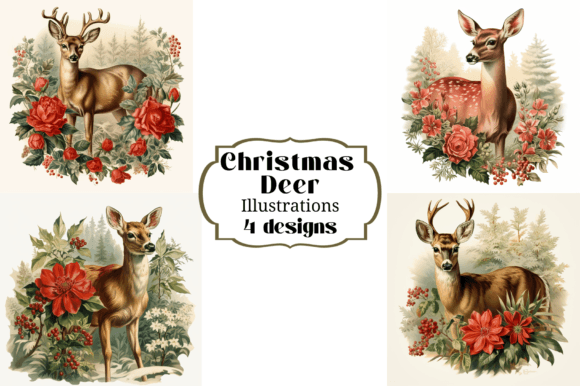
The immediate impression of these Victorian Christmas Deer Illustrations is one of refined nostalgia. Unlike modern, flat vector art that often feels sterile or corporate, these designs carry a weight of history and craftsmanship. They evoke a mood that is both festive and sophisticated, leaning heavily into a lifestyle-focused, artistic vibe rather than a playful or cartoonish one. For publishers targeting audiences interested in home decor, historical crafts, luxury lifestyle, or traditional storytelling, this style creates an instant sense of warmth and elegance. It signals to the reader that the content behind the image is curated with care, which is essential for building long-term reader trust.
Elevating Blog Featured Images and Website Headers
When I first considered using Victorian Christmas Deer Illustrations for a featured image on a holiday-themed article, I imagined how it would sit against a clean white background or a deep emerald green header. The intricate line work and classic composition allow it to function as a powerful visual anchor. In web design, the hero image sets the tone for the entire page. A generic stock photo might get a click, but a custom-looking illustration like this creates a distinct brand identity.
I tested placing these illustrations inside a real blog layout with a serif headline font. The combination felt cohesive and professional. The deer motif, rendered in a vintage style, adds a layer of editorial depth that makes the post look less like a quick update and more like a feature story. This is particularly effective for affiliate marketing posts where the product being reviewed fits a traditional or high-end aesthetic. By upgrading the visual hierarchy with these detailed graphics, we guide the eye naturally from the image to the text, increasing the likelihood that the reader will stay on the page longer.
Optimizing Pinterest Pins and Social Media Graphics
For any content creator, Pinterest remains a critical traffic source, and the platform demands visuals that stand out in a crowded feed. Victorian Christmas Deer Illustrations are perfectly suited for creating high-converting Pinterest pins. The vertical aspect ratio of these assets translates beautifully into pin formats, offering enough detail to be appreciated even when viewed on a mobile device screen.
I created several social media graphics using these designs as the base layer. When overlaid with bold, sans-serif typography for headlines like "Top Holiday Gift Ideas," the contrast between the delicate illustration and the strong text created a striking visual impact. These images performed better than standard photos because they looked like original creative assets rather than borrowed stock photography. For newsletter creators, these same illustrations serve as excellent banner headers, instantly signaling the seasonal theme without overwhelming the subscriber's inbox. The ability to use a single design asset across Pinterest, Instagram, and email newsletters ensures a consistent brand identity that reinforces recognition every time a user interacts with your content.
Digital Products and Downloadable Resources
Beyond standard blog posts, these illustrations offer immense value for digital products. As a publisher looking to diversify revenue streams, I explored using Victorian Christmas Deer Illustrations for lead magnets and digital guides. Imagine an eBook cover for a guide on "Traditional Holiday Baking" or a set of printable worksheets for a homeschooling curriculum focused on history and art. The vintage deer motif provides a thematic backdrop that elevates the perceived value of the download.
I also tested these files as templates within Canva, allowing clients to easily customize their own holiday cards or invitations. Because the illustration style is timeless, it works well for commercial design projects ranging from small business branding to large-scale content marketing campaigns. Whether you are selling a digital planner, a coloring book, or a seasonal checklist, having a high-quality illustration that conveys quality and tradition is a significant competitive advantage. It transforms a simple PDF into a desirable product that users feel proud to display or share.
Strategic Placement and Visual Hierarchy
To maximize the effectiveness of Victorian Christmas Deer Illustrations, placement is key. These assets shine brightest when used as editorial accents, category thumbnails, or media kit backgrounds. They provide a decorative element that breaks up dense blocks of text without distracting from the message. For example, using a subtle version of the deer illustration as a watermark or border in a downloadable resource adds a touch of professionalism that free clipart simply cannot match.
However, not every layout requires such ornate decoration. There are specific scenarios where this style should be used with caution. If you are designing for a serious professional niche, such as financial advice, legal services, or corporate tech updates, the whimsical nature of Victorian art might undermine your authority. Similarly, in very minimal visual systems that rely on stark black-and-white layouts, the intricate details of these illustrations could create visual noise. Additionally, on small mobile thumbnails, the fine lines of the deer might become indistinct if the image is scaled down too aggressively. In these cases, it is crucial to test the legibility before committing to the design.
Publisher Notes: Testing and Technical Considerations
Before integrating Victorian Christmas Deer Illustrations into a live website, there are several practical steps every publisher must take. First, always test the asset on both desktop and mobile screens. An image that looks stunning on a 4K monitor may lose its definition on a smartphone, so ensure the resolution is sufficient for high-density displays.
It is also vital to preview the illustration inside a real blog layout alongside your actual headline text. Does the color palette clash with your site's navigation? Is there enough negative space around the deer for the text to breathe? I recommend checking contrast and readability by viewing the image in black and white to ensure the form holds up without color cues. Furthermore, experiment with pairing the illustration against different font styles. While it pairs beautifully with classic serif fonts, it can also work surprisingly well with modern script or handwritten fonts for a contemporary twist.
From a technical standpoint, file size management is non-negotiable for web performance. Large, high-resolution illustration files can slow down page load times, which negatively impacts SEO rankings. Use proper compression tools to reduce file weight without sacrificing visual fidelity. Finally, confirm the commercial license before using these assets on monetized websites, affiliate pages, or paid content products. Ensuring you have the right permissions protects your business and allows you to scale your content marketing efforts with confidence.
In conclusion, Victorian Christmas Deer Illustrations represent a versatile and high-value addition to any digital publisher's toolkit. They bridge the gap between traditional artistry and modern web design, offering a way to create content that feels both timely and timeless. By thoughtfully applying these creative design elements to your featured images, social media graphics, and digital products, you can significantly enhance your visual hierarchy and strengthen your brand identity. For bloggers and designers seeking to elevate their editorial standards, this asset proves that the right illustration can do more than just decorate—it can communicate, engage, and convert.